
BUILD
What happens when universities, builders, technologists, policymakers, and communities stop talking about the future and start constructing it together.

It has been 33 days since my last entry. That doesn’t seem possible.
But then, well, maybe it does.
GCUC Conference NYC Keynote / Earth Day with Buckminster Fuller Institute / Final submission to Housing Innovation Challenge/ Fundraising Pitch for Hudson Commons / Proforma Creation for #StableLiving / The advent of the #StableLivingIndex™ / CRExCLT keynote with Ram Srinivasan/Vision2Matter 5-1 session/ Welcoming in a new advisor to Pathways / Speaking at NC Leadership Conference in Raleigh, NC / The Housing Innovation Summit in Charlotte, NC / Completing 12-week mentorship program with Avon Old Farms School…. not to mention all the personal stuff - son came home from college, daughter had junior prom, farm house opening weekend, family guests from Seattle, graduation celebration in Connecticut…..woah.
What a whirlwind.
In fact, I think this has been the busiest (and most productive) month of my entire career - and I mean that.
People ask me all the time how I do it all. It’s simple really:
I get to do it.
My mental framing is that I don’t have to do this, I get to do this.
Now, the reality is that most of this work. So yeah, I guess I have to do it.
My point is that I really love what I do…so much so that I’ve turned it into my purpose, not my profession. That gets me out of bed.
What keeps me up at night? A lot.
There is no shortage of things that need fixing. In fact, that’s not even really fair. The things I’m working on are mainly beyond repair and in need of better thinking.
This article is going to focus on POSITIVITY. What we’re DOING not what people are TALKING about doing. How we’re BUILDING not what’s holding us back. How we’re BREAKING DOWN barriers not complaining about the ones that impede our progress. This article is about how we’re constructing our future - each day - and therefore turning us into the architects of the future, not it’s victims. (Thanks Bucky)
I hope you’ll join us.
The Housing Innovation Challenge (start here, then go here)
The Housing Innovation Challenge has been one of the most meaningful experiences along my journey to #StableLiving because it forced our team to move beyond ideas and into alignment.
The challenge itself is ambitious: bring together universities, industry leaders, municipalities, builders, technologists, and investors to rethink how housing can be designed, delivered, and scaled in a way that actually improves affordability. But what stood out to me immediately was that this wasn’t a theoretical exercise. It was grounded in real constraints, real timelines, real zoning, real budgets, and ultimately real people who will one day live in these homes. That changes the nature of innovation entirely.
From the outset, I approached the Challenge through an Integrated Project Delivery (IPD) lens. Not as a buzzword, but as a working model for how complex housing problems actually get solved. I know, because this is how we’ve always approached complex problems in commercial real estate at Orion Growth. Instead of treating the competition as a single-school design exercise, I believed we had an opportunity to build a broader coalition across the UNC system by connecting different institutional strengths into a unified delivery framework. The lightbulb came from ncIMPACT - Our State, Our Homes, a program I am honored to have been a part of for the last 18 months.
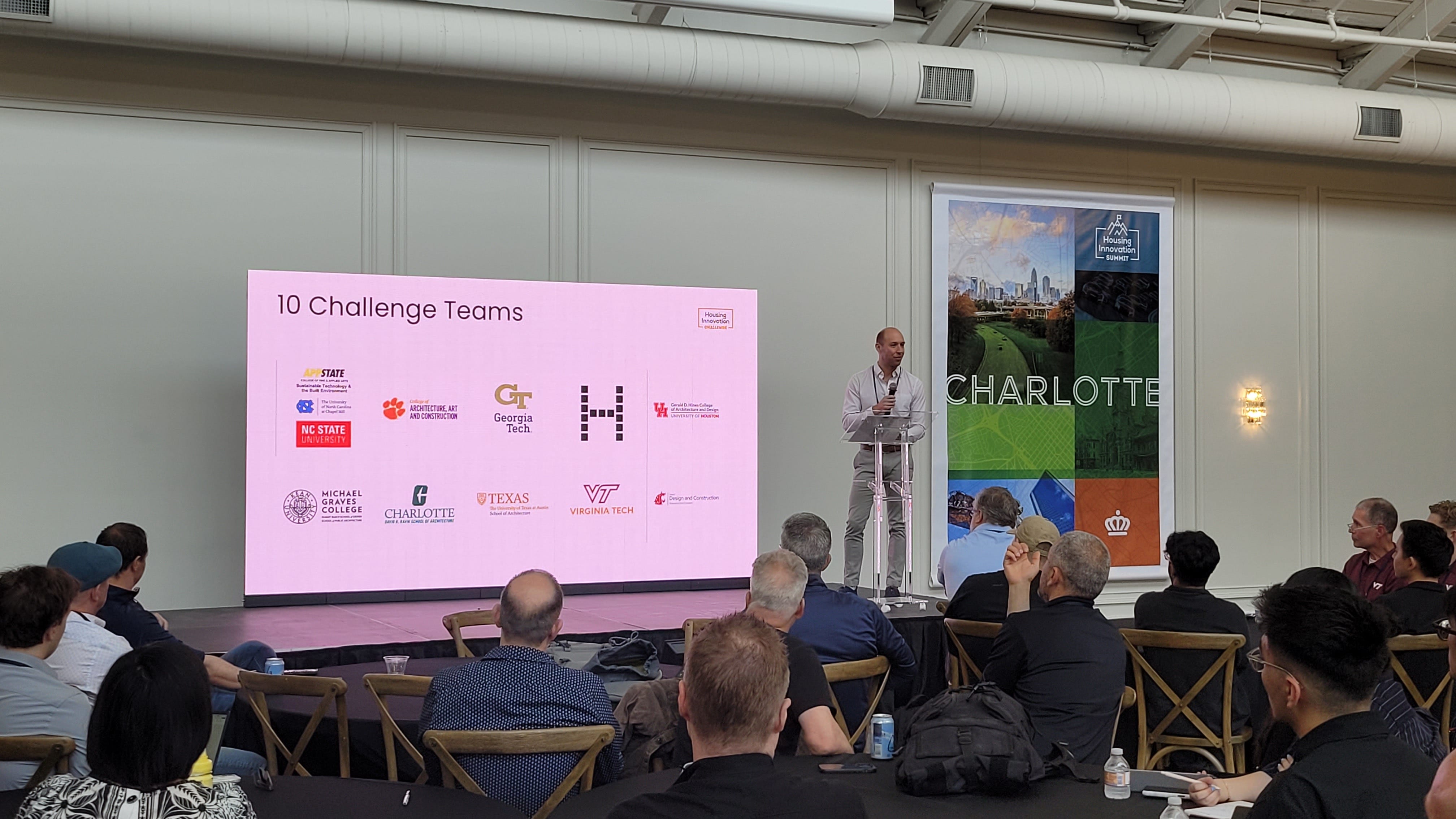
Appalachian State brought deep thinking around sustainability and building performance. NC State contributed technical rigor, systems thinking, and construction expertise. UNC Chapel Hill added strengths in finance, policy, development, and interdisciplinary collaboration. Individually, each school had value. Together, the collaboration became far more powerful than the sum of its parts. This was was about the students - and it will remain that way until the houses we are proposing have new residents and we cut the ribbon.
What I did not fully anticipate was what that alignment would attract.
As the work evolved, the coalition expanded beyond North Carolina and ultimately created new partnerships with Georgia Tech and Harvard. That, to me, became one of the most meaningful outcomes of the entire process. Not because of the names themselves, but because of what the partnerships represented. Different institutions, different disciplines, different perspectives, and different areas of expertise all converging around a shared mission: creating housing solutions that are actually deliverable, scalable, and capable of improving long-term stability for residents and communities.
But it doesn’t stop there.
We were selected to partner with a project called The Harvest Center within Brookhill Village in Charlotte, NC. We haven’t had our initial meeting yet as we just found out about qualifying last Thursday. Check out their Foundation for Lasting Change: 8 Dimensions of Wellness.
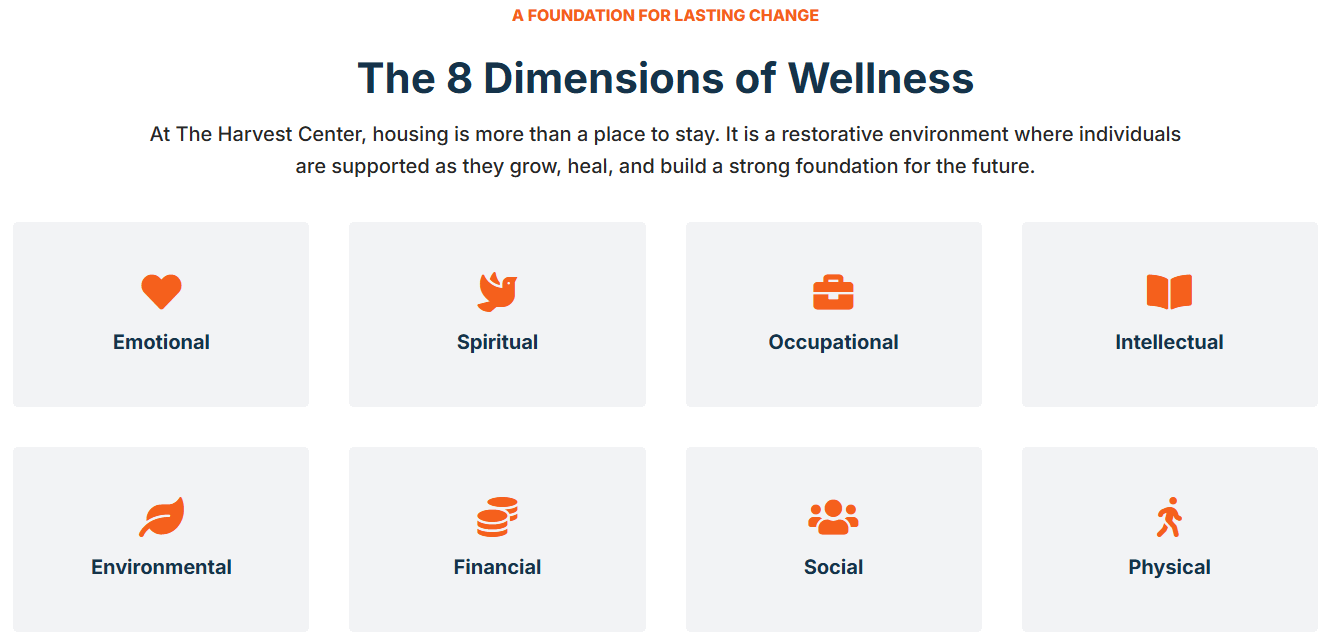
This is not about building roofs over heads, this is about supporting the people who live under them.
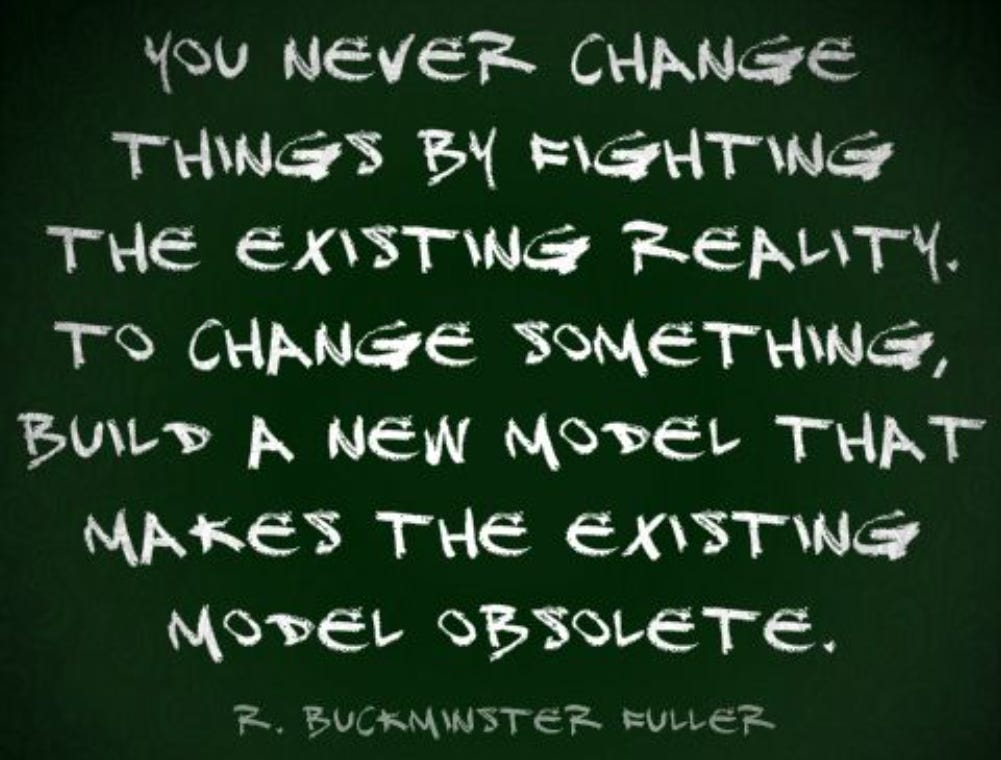
In many ways, that is the real innovation. Not simply modular construction, advanced manufacturing, or new housing typologies, although all of those matter. The deeper innovation is learning how to integrate people, systems, knowledge, and incentives around shared outcomes. Housing has historically been fragmented across silos that rarely communicate effectively with one another. Designers, builders, policymakers, investors, manufacturers, municipalities, and researchers often operate in parallel rather than in partnership. The IPD mindset challenges that fragmentation directly by creating alignment earlier, reducing friction later, and building shared ownership around both risk and opportunity. To me, this is really about aligning missions and working together to BUILD the new model that makes the old model obsolete.
That’s why advancing to Phase 2 of the Housing Innovation Challenge felt meaningful in a way that extended well beyond the competition itself.
It validated the idea that collaboration, when structured intentionally, can create momentum that no single organization could generate alone. More importantly, it reinforced my belief that the future of housing innovation will not come from isolated breakthroughs. It will come from ecosystems. From networks of people willing to bridge disciplines, institutions, industries, and ideas in pursuit of something larger than themselves. And honestly, being part of building that kind of future is exactly the kind of work I “get to do.”
Stay tuned - this isn’t the end. It’s very much the beginning. Please reach out directly or comment below if you’re interested in becoming a partner….it takes a village.
Here’s the press release.
More on the Orion Growth whitepaper here.
More on the Housing Innovation Alliance here.
More on the Housing Innovation Summit here.
More on the Housing Innovation Challenge here.
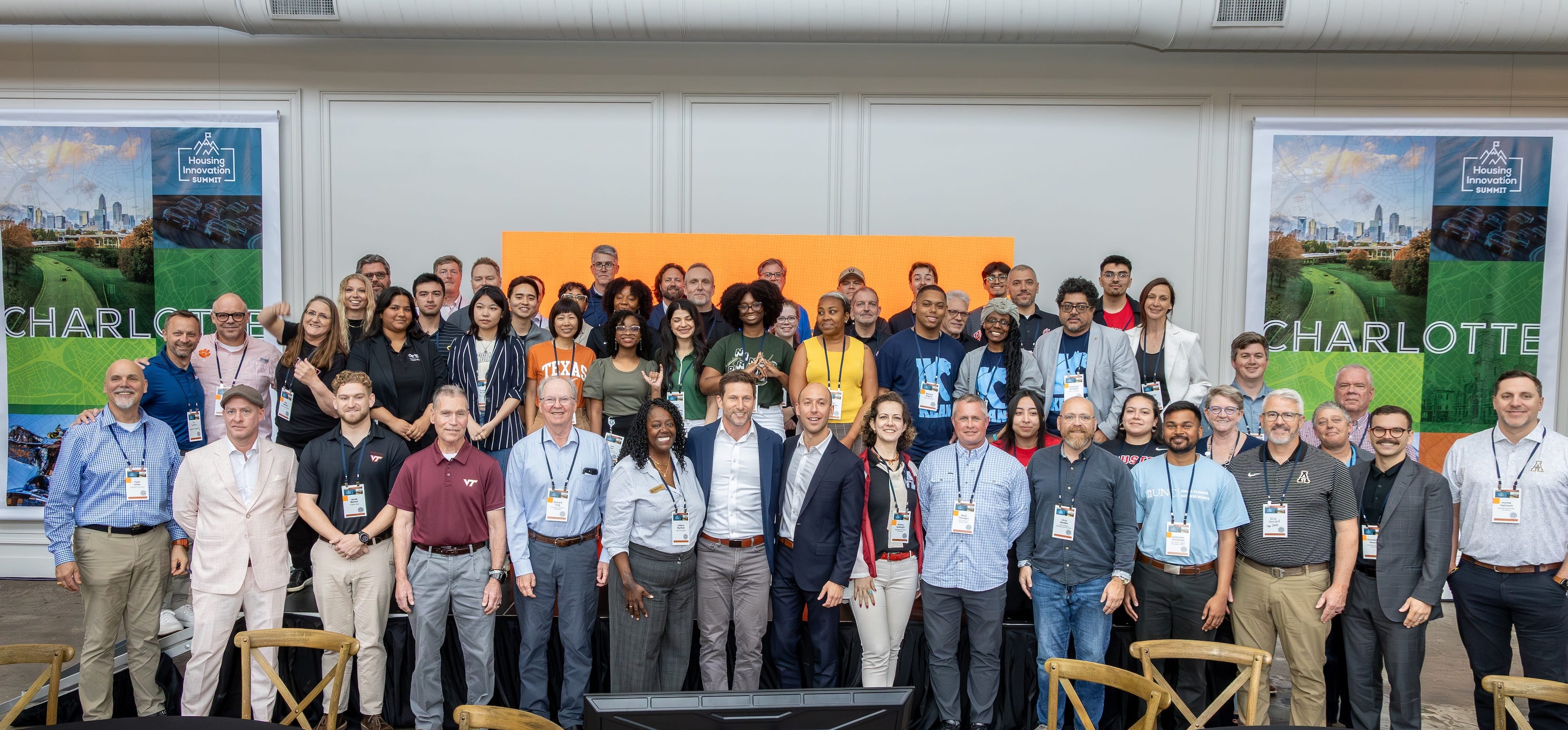
Here’s the crew:
#StableLiving #PathwayCommunities #TinyGiants