
The Thread I Pulled
Unraveling the fiscal fabric of the American economy

Remember, I am not an economist.
I say that up front because I want you to know where I sit when I read the news, watch hearings, or listen to financial analysts debate the fate of the American economy. I know, I know - I want to crawl under the covers and stuff my head under the pillow about this economics talk too - but I can’t. I am a builder. A systems thinker. Someone who sits at the edge where communities, capital, and policy collide. I can’t ‘unsee’ what’s coming, and I’m not super stoked about what we’ll need to endure to get there.
I can’t wait for the newsletter to go on to talk about how epic the Pathway Community project in Hudson, NC is coming…or how we solved the upward mobility and ownership problem for civil servants - but we’re not in that chapter yet. This is now, and it’s what we’ve got to be talking about….
So - I’m out from under the covers and I’m here for the discussion. Bare with me - this is a marathon, not a sprint.
-Chris
Yesterday, three names meant nothing to me.
Today, I realize they may shape the economic conditions that influence my work, my investments, and my daily life for years to come.
Alan Jeffrey Auerbach
Kevin Hassett
Michael Selig
These names sit at the highest points of the financial and regulatory landscape. They influence interest rates. They influence how stablecoins and real world assets will be regulated. They influence how America interprets risk, liquidity, stability, and the cost of capital.
I had never heard of them.

That is when I realized something important.
Policy does not drift.
It is shaped by the philosophies of the people appointed to steward it.
If I am going to spend my days thinking about #StableLiving, regenerative development, upward mobility, digital equity, and economic resilience, I also need to understand the ideas that will define money, risk, and capital over the next decade.
This is my attempt to decode what I am learning. Be nice. I’ve come to realize I don’t know much and it’s a very dynamic landscape.
The Lineage: Auerbach, Hassett, and the Signals Hidden in Their Work
To understand Kevin Hassett, the likely next Chair of the Federal Reserve, you have to understand the intellectual world he grew up in. Every leader in economic policy has a lineage. A set of teachers. A set of ideas. A set of debates that shaped the way they see the world. Especially in the world of money.
For Hassett, that lineage traces back to Alan Jeffrey Auerbach.
Alan J. Auerbach
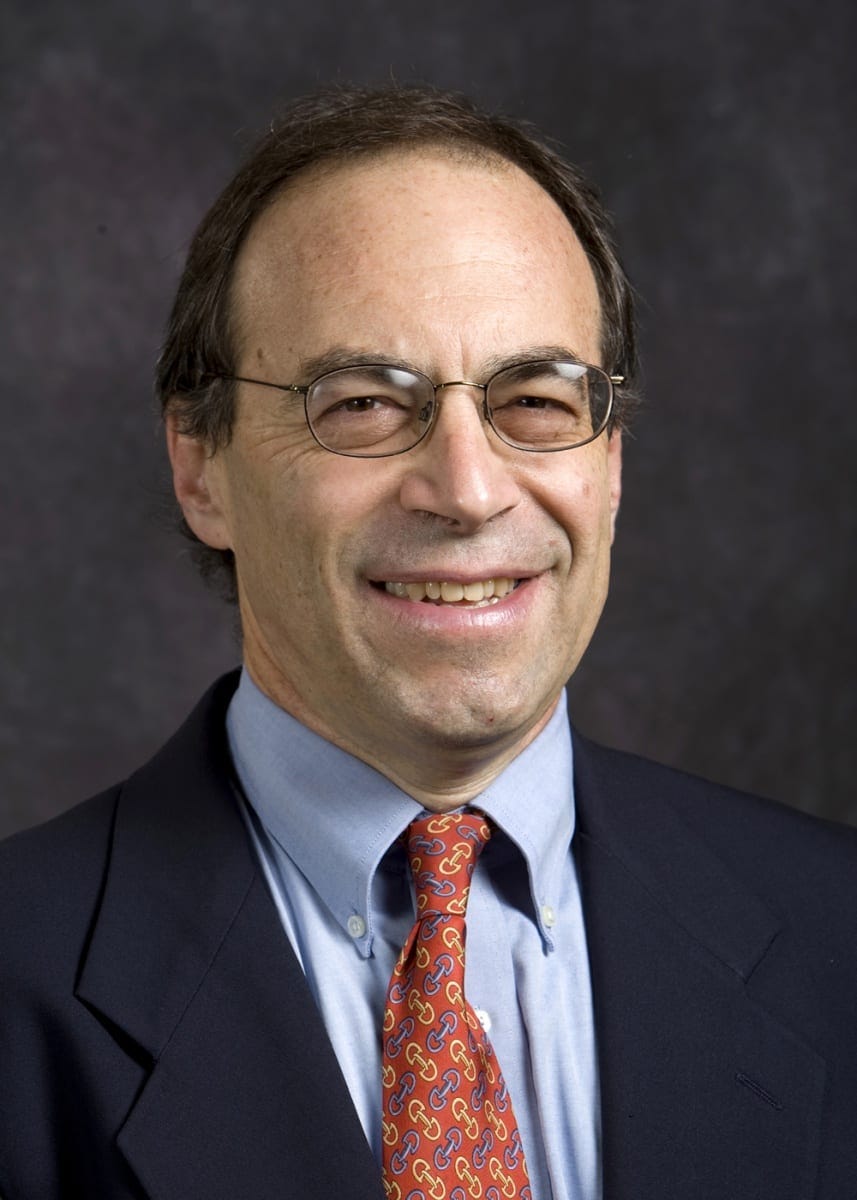
Auerbach is one of the most influential public finance economists in the country. His work focuses on taxation, fiscal sustainability, capital formation, and how governments should respond to recessions. He studies what happens when economic shocks collide with public balance sheets.
A few themes define his work.
Recession behavior.
Auerbach examines downturns as structural breaks that expose systemic weakness. He studies how tax policy, labor markets, and investment patterns shift under pressure.
Fiscal sustainability.
He writes extensively on long-term debt, demographic headwinds, and the limits of government spending. His core question is simple. What remains sustainable in the long run.
Capital formation.
He analyzes how firms invest, how depreciation rules matter, and how tax incentives shape real world behavior.
Critics argue he can be too cautious. Supporters argue he sees structural vulnerabilities more clearly than most.
This is the intellectual water Kevin Hassett swam in.
Auerbach was his academic advisor.
That matters.
Ideas are generational. They imprint early and echo for decades.
Kevin Hassett
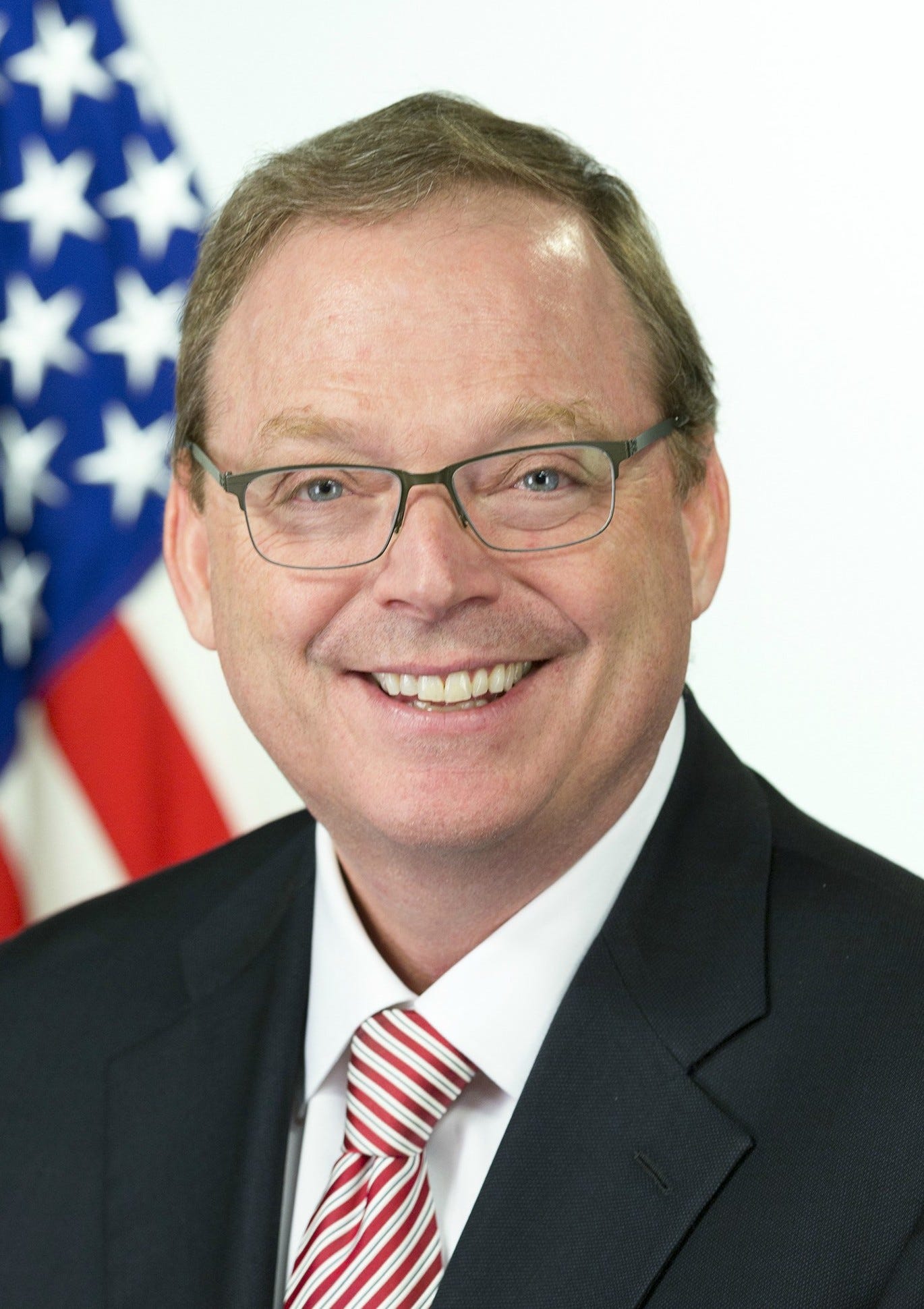
Hassett built a career at the intersection of academic economics, public policy, and financial markets. He is known for work on investment incentives, tax structure, equity markets, and supply-side economic behavior.
He co-authored Dow 36,000, a bold argument about equity valuation in the late nineties. Whether you agree with it or not, it reveals his worldview.
Here is what connects him back to Auerbach.
A focus on capital.
Hassett sees the economy through investment behavior and productivity.
A sensitivity to downturns.
He has written extensively about recessions and crisis response.
A belief in fiscal boundaries.
He emphasizes the constraints of debt and the risks associated with aggressive spending.
Shall we place this in context?
Why this matters now
Hassett is being positioned to run the most powerful financial institution in the country.
If CEOs are hired for growth or consolidation, then central bankers are chosen for moments.
You hire a wartime CEO when the signals look rough.
You hire a stabilizer when the markets feel fragile.
You elevate someone shaped by recession literature when storms may be forming.
Appointments are signals.
They often tell the story before the data does.
Auerbach’s caution and recession math run through Hassett’s worldview. This is not the profile of someone chosen to preside over a decade of smooth growth. It is the profile of someone chosen to prepare the system for volatility.
What the Federal Reserve Actually Does
If we are going to talk about Kevin Hassett becoming Fed Chair, we need to be clear about what the Federal Reserve actually does. People often reduce it to interest rate decisions. I know I did, but that is only part of the picture.
The Federal Reserve is the operating system of the American financial engine. In downturns, that operating system becomes the entire show.
Here are the functions that matter most when things get rough.
The Fed sets the price of money.
Raising rates makes money more expensive. Lowering rates makes it cheaper. This affects mortgages, corporate borrowing, treasury yields, CMBS, venture funding, and community development.
The Fed manages liquidity.
This is its quiet superpower. When crises hit, liquidity evaporates. Banks pause lending. Markets freeze. The Fed steps in so the system does not seize.
The Fed stabilizes banks.
It sets capital requirements and runs stress tests that determine how much credit stays available.
The Fed controls confidence.
Every sentence from the Chair moves markets.
The Fed balances employment and inflation.
That balancing act gets harder in a downturn.
A recession-focused economist at the helm signals preparation. Not panic. Preparation.
My work in Web3 really informs me of The Fed’s historical behavior (at least dating back to quantitative easement) and as result of CDO/MBS and real estate crash of 2008. Debasing currency value and printing money became normal.
This is one part of the story.
Now the other part begins to reveal itself.
The Fulcrum: The Genius Act, The Clarity Act, and the Executive Order That Started It All
To understand why Michael Selig matters, and why the CFTC suddenly matters in a way it never has before, we need to zoom out to the regulatory realignment already underway.
It started with an Executive Order on day one of the Trump presidency.
The order directed agencies to accelerate digital asset innovation, modernize regulatory frameworks, clarify jurisdictional overlap, and strengthen the United States position in the digital economy.
Two major bills followed.
The Genius Act
This act focuses on unlocking cryptocurrency and stablecoin innovation. It legitimizes digital dollar infrastructure and opens the door for low-friction payments. (Signed into law July 18,2025)
The Clarity Act
This act defines what is a security, what is a commodity, and where stablecoins belong. It gives structure to a sector that has lived without it. (Passed the House, waiting in Senate)
Together, they send a clear message.
The United States is preparing to build a regulated, scalable digital asset economy.
This is the fulcrum between TradFi and DeFi.
TradFi relies on slow, collateral-heavy systems.
DeFi relies on programmable collateral and automated settlement.
These bills write the rules that allow the two to meet.
Whoever leads the CFTC will shape that bridge.
Enter Michael Selig
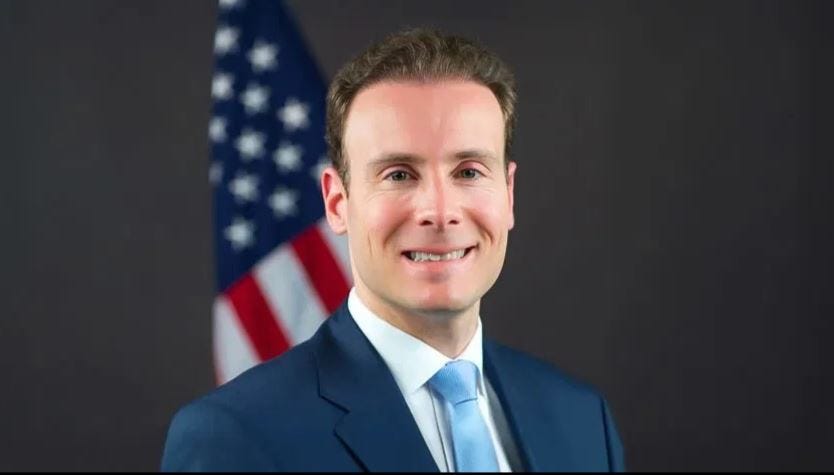
Selig is a lawyer and policy architect who has lived inside the complexities of digital assets, stablecoins, decentralized finance, derivatives, and real world asset tokenization.
Real world assets are one of his strongest areas of expertise.
He has advised exchanges, developers, custodians, stablecoin issuers, institutional investors, and tokenization platforms. He understands the legal and technical layers of emerging digital markets because he has spent years building within them.
Several themes define his work.
Clear thinking about classification.
He has written extensively on how digital assets should be categorized. This includes stablecoins, synthetic assets, collateral tokens, and RWA tokens backed by real property and real cash flows.
Market integrity.
His work focuses on rules that allow innovation while creating safe, transparent markets.
Deep knowledge of stablecoins and RWAs.
This is where my world and his overlap. Real estate is being digitized. Ownership interests, cash flow rights, project financing, and energy infrastructure are moving onto blockchain rails.
Understanding decentralized market structure.
Selig has worked on derivatives protocols, automated settlement, and collateral transformation networks.
Why Selig matters in this moment
Real world assets will be one of the largest components of the digital economy.
Real estate alone is a 30 to 40 trillion dollar domestic asset class.
Tokenization is becoming the next settlement layer.
Under the Clarity Act, much of this will fall under the CFTC.
Under the Genius Act, stablecoins will become the rails that move value.
Under the Executive Order, agencies are already preparing for this shift.
Selig understands how this transformation works and how it should be supervised.
Put this next to Kevin Hassett.
Hassett stabilizes the existing system.
Selig builds the future system.
These appointments are not random. They form a coherent path forward.
One strengthens the present balance sheet.
One modernizes the future balance sheet.
Putting It All Together
There are three layers to any financial system.
The intellectual layer.
The monetary layer.
The regulatory layer.
Auerbach.
Hassett.
Selig.
Auerbach provides the worldview.
Hassett runs the monetary engine.
Selig designs the regulatory framework for digital and real world assets.
So is this coordinated?
It may be too strong to say the Trump administration is executing a perfectly coordinated master plan. No administration works with that level of precision. Some decisions are strategic. Some are reactive. Some reflect the preferences of advisors, agency leadership, or political coalitions like those behind Project 2025. The passage of the Big Beautiful Bill adds another layer of complexity.
But it is also too weak to say these moves are accidental.
The Big Beautiful Bill sets budget priorities that reshape federal capabilities.
Project 2025 outlines an ideological framework for reorganizing agencies.
The Genius Act, the Clarity Act, and the Executive Order show a commitment to modernizing financial infrastructure.
The shift from the SEC to the CFTC is intentional.
The preference for leaders fluent in recession dynamics, stablecoins, and real world assets is intentional.
Even if the coordination is not intentional, the convergence is real. All I know is that 18 months ago, the United States had no federal legislation providing a regulatory framework for stablecoins or RWA’s and federal agencies were actively pursuing enforcement actions against projects attempting to build them. Some of those actions were justified. Some projects were reckless and misleading. But many others were simply operating in a vacuum created by the absence of clear rules.
Conclusion: Why This Matters for Stable Living
None of this is abstract. These decisions shape the systems that determine whether people can build stable lives.
#StableLiving and the Pathway Communities model is not an affordability project.
It is an upward mobility project.
It is a longevity project.
It is a dignity project.
And it has to be, because we are heading toward a demographic wave of retirees aging without resources, without savings, and without communities designed to support them. At the same time, the median home price is $465k, wage is trailing the cost of life by 60% and the average age of the first-time homebuyer is 40+ years old.
#StableLiving must work for both ends of the spectrum.
Young families trying to move forward.
Older adults trying to age in place with dignity.
Better systems create stability.
Better money creates options.
Better incentives create communities that work in circles, not lines.
That’s why this is about designing places where stability compounds into opportunity.
For workers.
For families.
For retirees.
For entire communities.
Better money.
Better vision.
Better future.
As Buckminster Fuller said:
“You never change things by fighting the existing reality.
To change something, build a new model that makes the existing model obsolete.”
That is the work.
Chris Moeller works at the intersection of community, capital, and technology. As founder of Pathway Communities and CEO of Orion Growth, he builds regenerative housing models that give people stability, mobility, and dignity. His work spans adaptive reuse, digital equity, AI-enabled operations, and real-world asset innovation. He also stewards a research retreat farm in Virginia, where he studies land management and regenerative systems. Chris writes to make sense of the systems we live inside and to explore better ways forward.
Photo by amirali mirhashemian on Unsplash